Business automation for Tampa companies where the paperwork never sleeps
Port Tampa Bay moves phosphate and fertilizer out and petroleum and steel in, and none of it moves without paperwork. Your company has a smaller version of the same problem: information that has to be carried from one place to another by hand.
A written review of your current site. No obligation.
Every business is a logistics business for information
Cargo does not fail for want of ships. It fails at the handoffs: a form that waits for a signature, a number retyped wrongly, an email that sat unread over a weekend. Offices have the same failure points, only smaller. A new enquiry arrives, somebody copies it into a spreadsheet, somebody else emails the client, a third person updates the invoice. Each step is easy. Together they eat the day.
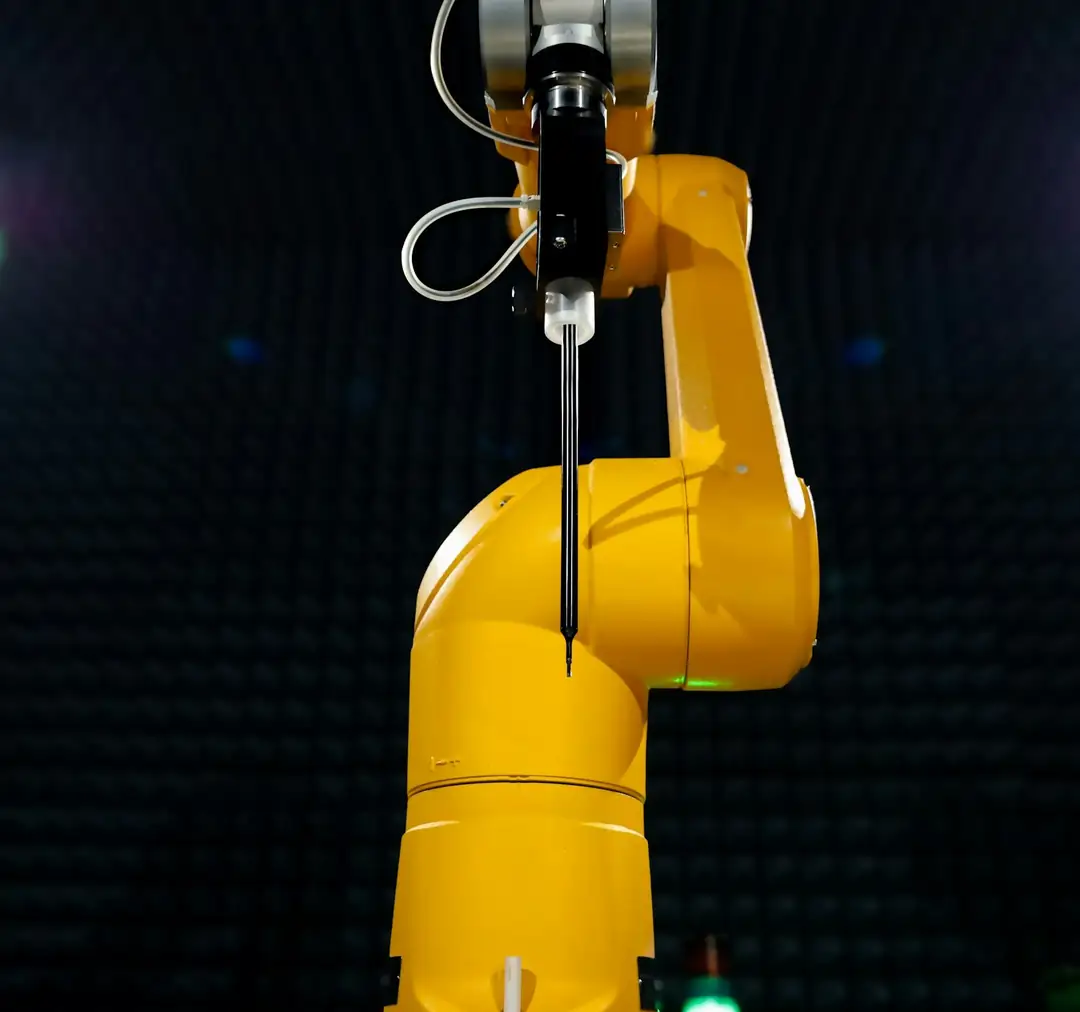
Automation is the practice of making those handoffs happen on their own. A form submission creates the record, notifies the right person and sends the customer a confirmation in the same minute. An approved quote becomes an invoice. A missed payment triggers a polite reminder before anyone has to remember. You decide the rules once, the system follows them every time, and the staff who used to relay information go back to work that needs a person.
Why fewer errors matter more than fewer hours
Tampa's economy leans on healthcare, finance, insurance and technology, fields where one wrong digit can cost far more than the minutes saved by typing it fast. Copying data by hand is a slow way to make mistakes. A connected process enters it once, correctly, and carries it forward untouched. It also leaves a record, which is handy when a customer, an auditor or a manager asks what happened and when.
The hurricane test
Between June and November a Tampa business can lose its office for days. If your process lives in one person's head or on one desktop machine, it stops with them. Processes written into a system keep running from wherever people can sign in, and anyone can pick them up. That is not the reason most companies automate, but it is a good test of whether you have enough resilience.
Start small, start where it hurts
We never begin with a grand plan. We begin with a single process that annoys people, map it with the staff who do it, automate that, and measure the result. If it works, the next one is easier to choose. Our [free audit](#audit) can point out where a customer's first enquiry currently stalls.
A relay of hand-carried paper versus a system that moves on its own
Drag to compare a manual process with an automated one.
Quality you can trust
We are committed to excellence.
Learn moreNew patient inquiry, handled in minutes
Forms, reminders and records connected.
- IIntake
- IIFollow-up
- IIIRecords
Proof
Real work, named people
Next step
One clear action
Request an appointment-
New enquiries
GenericCopied from an inbox into a spreadsheet by hand.
CustomCaptured, logged and acknowledged automatically.
-
Follow-up
GenericDepends on someone remembering on a busy day.
CustomReminders and next steps fire on schedule.
-
Accuracy
GenericThe same detail typed three times, three chances to slip.
CustomEntered once and carried everywhere it is needed.
How an automation project runs
Small, measured and built with the people who do the work.
Process mapping
We sit with your team and write down what actually happens, including the unofficial workarounds.
Connected tools
Your forms, email, calendar, accounting and customer records talk to each other.
Alerts and reminders
The right person hears about the right thing at the right time.
Documentation
A plain written guide so the system does not depend on any one person.
Questions buyers ask first
What can be automated?
Anything repetitive that follows rules: form intake, confirmations, reminders, invoicing steps, data entry and reports. We confirm in the first conversation what is realistic for you.
Will it replace my staff?
The aim is to remove the retyping and chasing, not the people. Staff move to work that needs judgement and a human voice.
What if something breaks?
We build in alerts and write down how each part works, so a failure is spotted early and easy to fix.
Do I need to change all my software?
Usually not. We prefer to connect the tools you already use rather than replace them.
Find where the handoffs break
Tell us about the process that eats your week and we will show you what could run itself.